
The learning collection
Good records.
Better questions.
Practical learning for thoughtful Ayam Cemani ownership and breeding. Build a record you can return to, compare, and share accurately.
Make every observation useful.
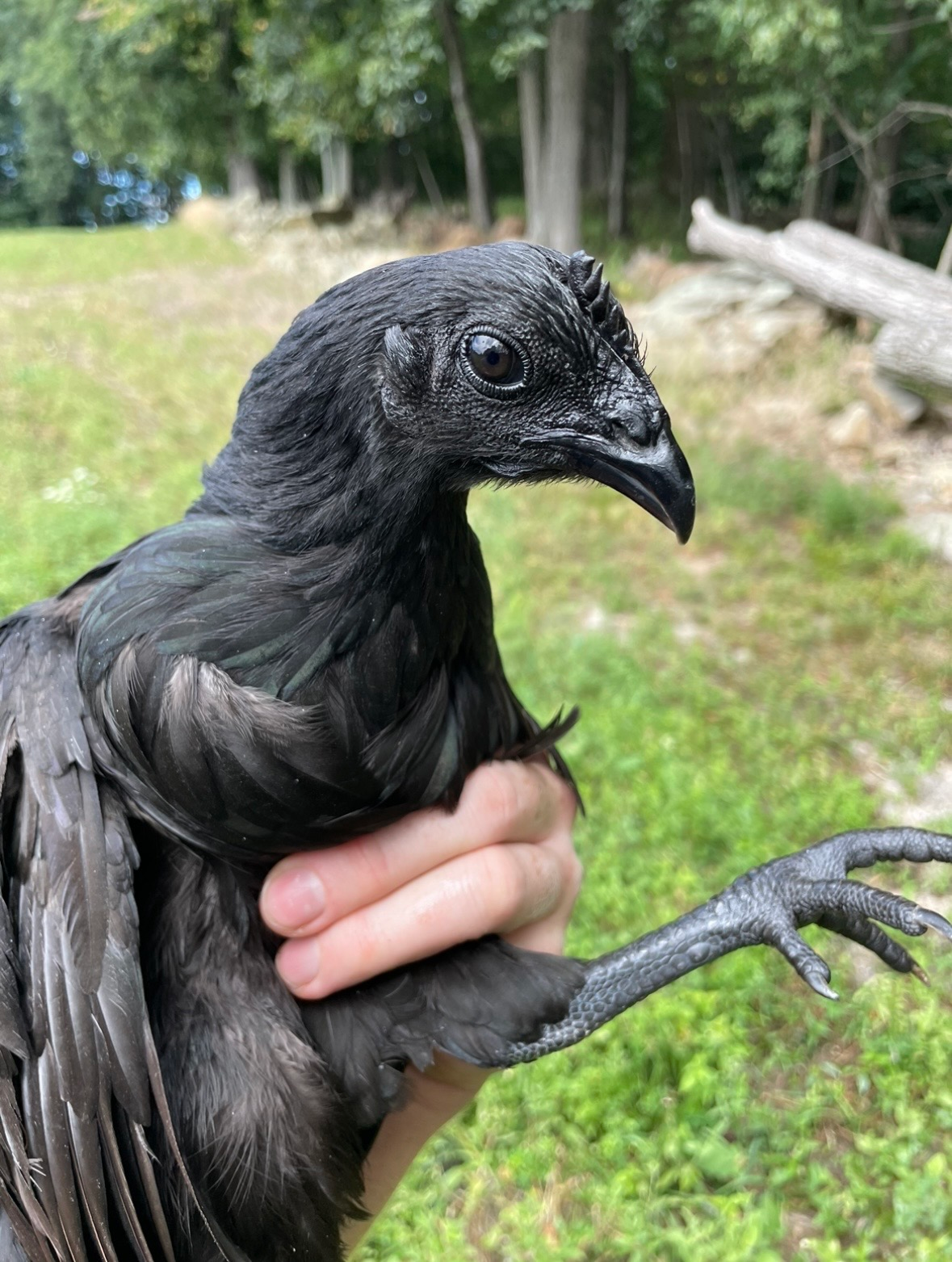
Photograph consistently
Use consistent light and an uncluttered background. Keep original photographs alongside dated notes. Do not darken photos to hide traits that should remain visible.
- Include the bird identifier and date in each photo record.
- Capture the whole bird as well as the details you are documenting.
- Record lighting conditions and retain the unedited original.
Keep a traceable history
Assign each bird a stable identifier and retain parentage information where documented. Record pairings and offspring so that you can follow the history over time.
- Record hatch date, source, sex, and the identifier used for the bird.
- Link pairing records to hatch records and offspring identifiers.
- Label uncertain parentage as unknown rather than filling gaps with assumptions.
Separate facts from interpretation
Write down what you observed before recording what you think it means. Keep an observation, a breeder-reported history, and a laboratory result clearly distinguished.
- Save the original report when testing is performed.
- Record the sample identifier, laboratory, date, and reported result.
- Avoid presenting a photograph or an undocumented claim as a laboratory finding.
Review the next generation
Use the same record format for each hatch. Consistent notes make comparisons more useful than a collection of isolated photographs.
- Keep dated observations for each bird you evaluate.
- Record the reason for each breeding decision.
- Keep records of birds that leave the breeding group, as well as those retained.
A practical starting point
Your first record can be simple.
Bird ID · hatch date · source · documented parents · pairing or hatch group · dated photographs · observations · test reports, if available · breeding decisions.
Keep a backup and use the same identifier across your photos, notes, and reports. A record is most useful when another person can understand what is known and what remains uncertain.
Continue learning
Connect observation with understanding.
Explore our genetics overview, or contact the Preserve with a question about the program and its record-keeping expectations.
Explore geneticsContact The Preserve